Your front door feels… forgettable. Like every other house on the block. You’ve painted the trim, swapped out the hardware—but something’s still missing. That flatness? It’s not your siding. It’s the lack of dimension. The absence of soul. Wreaths home decor isn’t just holiday fluff—it’s visual punctuation. And when done right, it screams “lived-in elegance” before a single foot crosses your threshold.
Why Most Wreaths Fall Flat (and Waste Your Money)
People treat wreaths like disposable party hats—tossed up for Christmas, ignored the rest of the year. Big mistake. A generic grapevine circle from the big-box store fades fast, sags under rain, and looks exactly like your neighbor’s. Worse, it telegraphs “I didn’t try.”
Here’s the reality: mass-produced wreaths are designed for shelf life, not style longevity. They’re lightweight because they’re hollow—no structure, no personality. And when they wilt in July heat? You’re stuck with a sad, dusty ring that undermines your entire facade.
wreaths home decor: Your 4-Step System for Year-Round Impact
Forget seasonal panic. Build a modular system that adapts—not collapses—with the calendar.
Step 1: Choose Your Base Like a Pro
Ditch flimsy vines. Go for a **wired willow or moss-wrapped steel frame**. Why? Weight = presence. A substantial base holds shape in wind, supports heavier accents (dried citrus, eucalyptus), and lasts 3–5 years minimum. Spend more upfront. Save endlessly.
Step 2: Rotate Elements—Not the Whole Wreath
Keep the base fixed. Swap only the focal pieces. Spring? Add bleached magnolia pods. Summer? Tuck in driftwood and seagrass. Fall? Attach mini pumpkins with floral wire. This cuts cost by 70% and maintains visual continuity.
Step 3: Hang It Right—Height & Hardware Matter
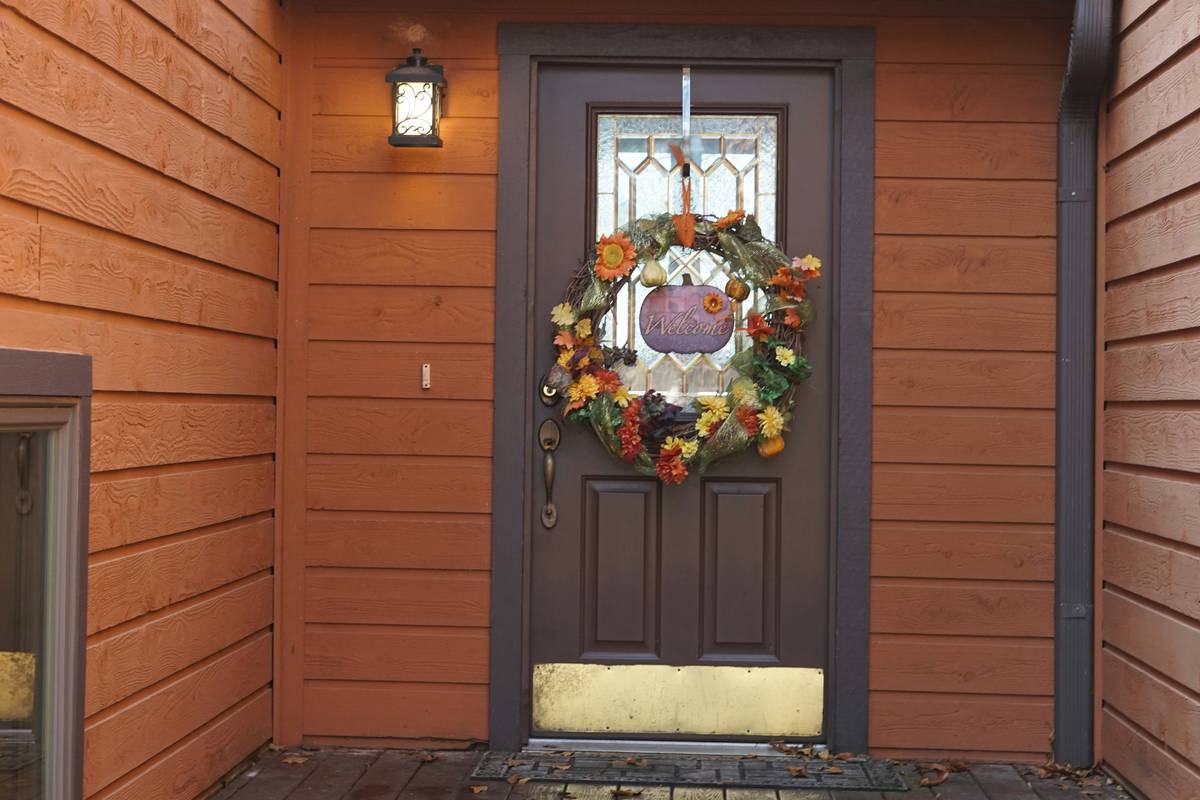
Center the wreath at eye level—roughly 57 inches from the floor. Use a heavy-duty over-the-door hook rated for 10+ lbs, not a flimsy plastic clip. If your door has glass panels, offset slightly off-center for dynamic tension. Small shift. Huge difference.
Step 4: Weatherproof Without Killing Aesthetics
Spray dried botanicals with matte acrylic sealer (not glossy—it looks cheap). Reapply every 90 days in humid climates. For coastal homes, skip paper or fabric entirely—opt for metal, wood, or UV-stable synthetics.

| Wreath Type | Initial Cost | Lifespan | BEST For |
|---|---|---|---|
| DIY Moss Base + Rotating Accents | $35–$60 | 4+ years | Year-round curb appeal, high ROI |
| Premium Pre-Made (Arborist-Sourced) | $85–$150 | 2–3 years | Instant luxury, zero effort |
| Budget Grapevine (Big Box Store) | $12–$25 | 3–6 months | Holiday-only use, temporary rentals |
The Industry Secret: Wreaths Are Interior Anchors Too
Nobody talks about this—but pros use wreaths indoors to solve spatial confusion. Hang a minimalist eucalyptus wreath above a blank hallway console. It creates a vertical focal point that guides traffic flow. Or lean a large rattan wreath against a bedroom mirror—it softens hard lines without taking up floor space. Think of wreaths as 3D wall art that costs less than a framed print. But here’s the kicker: interior wreaths should be 30% smaller than exterior ones. Oversized indoor wreaths scream “hotel lobby,” not “curated home.”
Frequently Asked Questions
Can I leave my wreath up all year?
Yes—if it’s made from weather-resistant materials like preserved moss, metal, or sealed wood. Avoid silk flowers or paper outdoors; they’ll fade or mildew within weeks.
How do I clean a dusty wreath?
Take it down. Use a hairdryer on cool setting, 6 inches away, blowing outward. For stubborn grime, gently wipe with a microfiber cloth dampened with distilled water—never soak.
What size wreath fits a standard front door?
A 22–24 inch diameter is ideal for most 36-inch wide doors. Leave 3–4 inches of clearance on each side so it doesn’t look cramped or overwhelming.