Most DIY wreaths fall apart before the season ends—leaving you with dried-out greens, sagging ribbons, and regret. You followed a Pinterest tutorial, spent $40 on supplies, and still ended up with something that looks store-bought (and not in a good way). Here’s the fix: seasonal item wreath instruction on how to build structure first, beauty second.
Why Your Wreath Keeps Failing
You’re decorating a frame—not building one. That foam ring or flimsy vine base? It absorbs moisture unevenly, warps in humidity, and offers zero support for heavier elements like pinecones or berries. And if you’re using hot glue as your primary adhesive, you’ve already lost. Heat melts natural fibers; it doesn’t bond them. The result? A wreath that sheds like a stressed-out dog by week two.
Even premium pre-made bases fail under real-world conditions—porch sun, nighttime dew, curious squirrels. Last year, a client in Birmingham replaced her door wreath three times before July. Not because she lacked style—but because no one taught her how to engineer resilience into décor.
seasonal item wreath instruction on how to Build One That Survives the Season
Forget “layer and hope.” This method starts with load distribution, then adds aesthetics. You’re not making art—you’re assembling a weather-resistant object that happens to look gorgeous.
Select Your Base Like an Engineer
Wire grapevine? Only if you reinforce it. Straw? Forget it—it’s a mold incubator. Go with a metal ring wrapped in floral tape. It’s inert, won’t rot, and holds wire anchors securely. Bonus: it’s reusable across seasons.
Anchor Before You Adorn
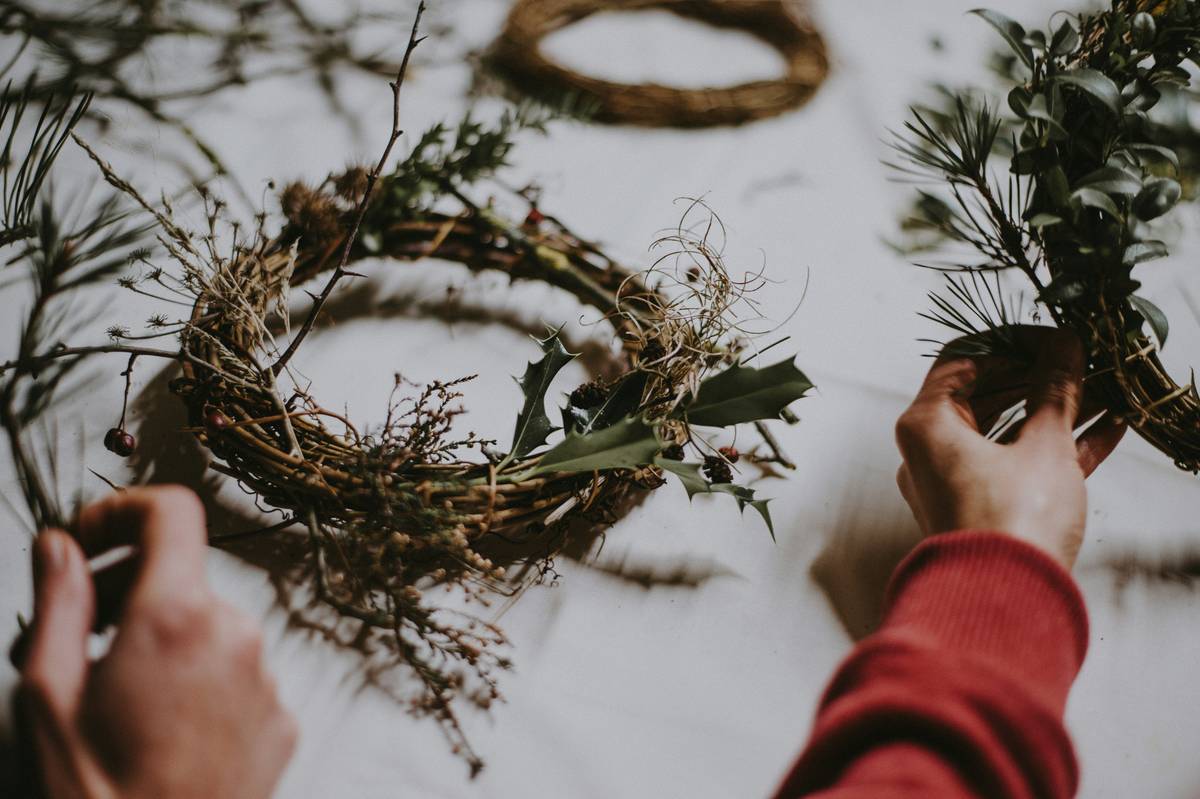
Never glue directly onto greenery stems. Instead, wrap each element with 22-gauge paddle wire, then secure it to the base at two points minimum. Think suspension bridge—not sticky note. This distributes weight and prevents drooping.
Seal Natural Elements
Spritz cut stems and dried botanicals with matte acrylic sealer. It slows dehydration without adding shine. Skip this, and your eucalyptus turns brittle by day five.
| Material Type | Lifespan (Unsealed) | Lifespan (Sealed + Wired) | Cost per Wreath |
|---|---|---|---|
| Fresh Eucalyptus | 5–7 days | 21–30 days | $18 |
| Pine & Cedar | 10–14 days | 45+ days | $12 |
| Dried Wheat Stems | Fades in 2 weeks | Holds color 60+ days | $9 |
| Silk Foliage | Years (but looks fake) | Years (with proper framing) | $22 |
The Florist’s Secret Most Blogs Won’t Tell You
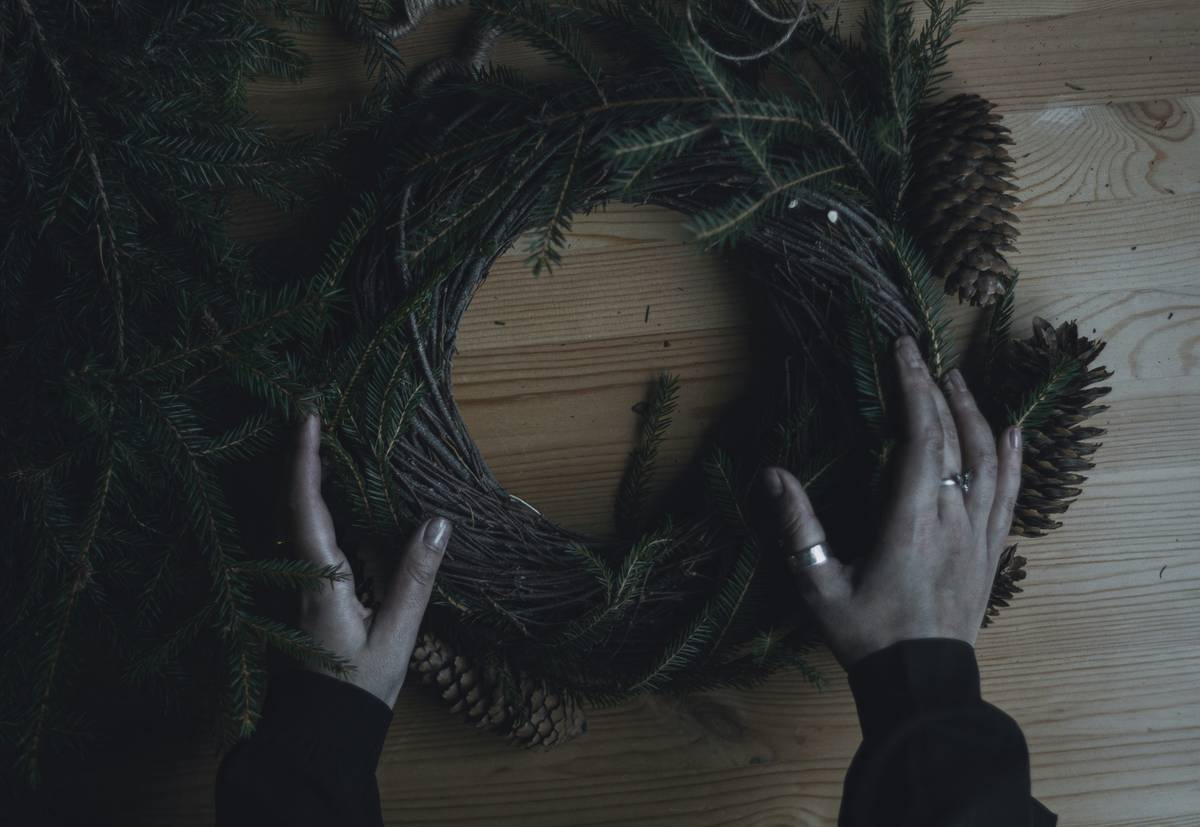
Here’s what wholesale florists do: they design wreaths inside out. Start with the back. Attach a secondary wire loop at the 6 o’clock position—not just the top hanger. This prevents forward tilt from wind or door slams. Also, rotate your wreath weekly. Sun exposure fades one side faster. A subtle quarter-turn every seven days maintains even aging. Sounds obsessive? Maybe. But it’s why pro wreaths look consistent through Thanksgiving, Christmas, and beyond. The math is simple: symmetry isn’t visual—it’s structural.
Frequently Asked Questions
Can I use a foam wreath form for outdoor seasonal wreaths?
No—unless it’s sealed with marine varnish. Standard oasis foam disintegrates in rain and expands/contracts in heat, cracking glued elements loose within days.
How often should I replace seasonal greenery?
Every 3–4 weeks if unsealed. With wiring and sealer, many natural materials last 6–8 weeks outdoors—enough to cover fall through early winter.
What’s the best wire for securing heavy decorations?
Use 20-gauge paddle wire for items over 2 oz (like large pinecones). Wrap twice around the base and twist tightly with pliers—never rely on glue alone.