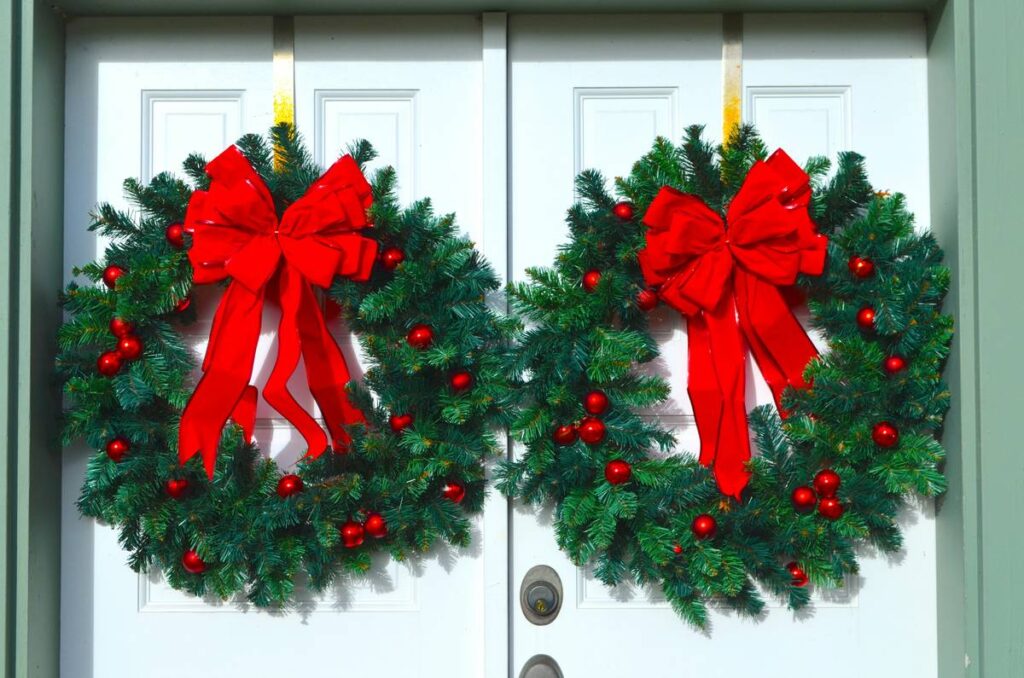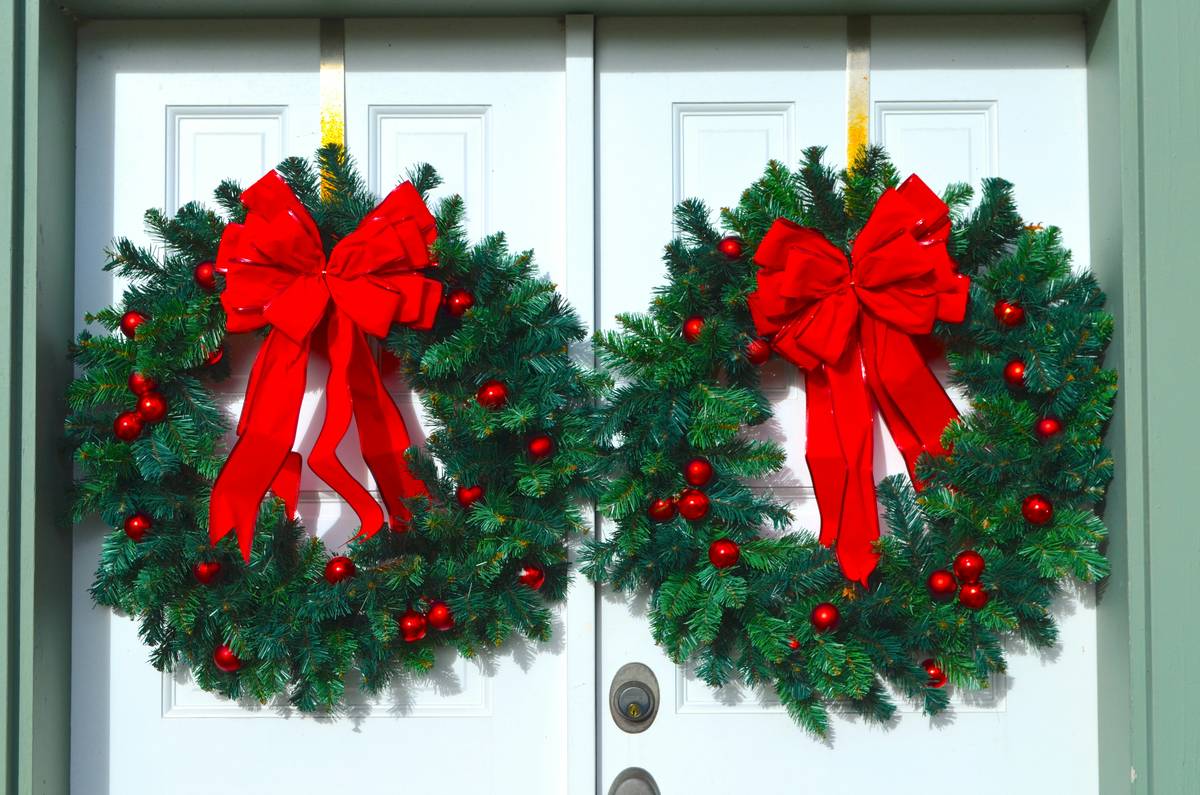
You’ve bought the wreath. Hung it on the door. And yet… it looks like every other house on the block. Generic bows, predictable pinecones, that tired red-and-green combo—it’s festive, sure, but forgettable. What if your wreath didn’t just say “Merry Christmas,” but whispered elegance, surprise, or even a little wit? The solution isn’t more glitter—it’s strategy.
Why Most Christmas Wreaths Fail to Impress
People treat wreaths like afterthoughts—tacked on last-minute with whatever’s left in the craft bin. Big mistake. A wreath is your home’s first handshake with guests. And if it’s indistinguishable from 20 others down the street, you’ve missed a branding opportunity disguised as decor.
Mass-produced pre-decorated wreaths dominate big-box stores for convenience, not character. They rely on symmetrical loops and factory-matched ribbons because uniformity scales well—not because it wows. Real impact comes from asymmetry, texture contrast, and intentional restraint.
How to Decorate Christmas Wreath Ideas: A Step-by-Step System
Forget “just add ornaments.” This is about architecture, not assembly. Start with a blank base—real or faux greenery—and build layers like a florist, not a decorator.
Choose Your Foundation Wisely
A wire grapevine wreath absorbs glue, holds branches tightly, and ages gracefully. Foam bases crumble. Plastic rings slip. Grapevine? It’s the unsung hero of structural integrity.
Master the Rule of Three Textures
Combine soft (velvet ribbon), rigid (dried citrus slices), and organic (eucalyptus sprigs). Too much of one feels flat. Too many competing materials feel chaotic. Three is the sweet spot.
Asymmetry That Feels Intentional
Place your focal point at 2 o’clock or 8 o’clock—not top-center. Humans scan diagonally. Lead their eye, don’t trap it in the middle.

| Material Type | Cost Range | Durability (Indoor/Outdoor) | Best For |
|---|---|---|---|
| Grapevine Base | $8–$18 | High / Moderate | Layered, textured designs |
| Foam Ring | $3–$10 | Low / Low | Quick indoor projects only |
| Metal Frame + Moss Wrap | $15–$25 | Moderate / High | Moisture-resistant outdoor displays |
| Pre-Decorated Artificial | $20–$50 | Moderate / Moderate | Zero-effort curb appeal (but low uniqueness) |
The Industry Secret: Decorate for Weather, Not Just Aesthetics
Most DIY tutorials ignore climate—but humidity swells ribbon fibers, rain leaches dye from berries, and wind turns delicate feathers into confetti. Here’s the pro move: test your materials outside for 48 hours before final assembly. If it frays, fades, or flops, scrap it.
Think about it—your December 26th wreath should still hold dignity, not look like a soggy apology. Use glycerin-treated greens (they resist drying), UV-resistant spray paint on ornaments, and waterproof glue like E6000. These aren’t craft store staples—they’re contractor-grade secrets borrowed from set designers who build holiday windows for department stores.
And never underestimate weight distribution. A heavy ornament cluster on one side? Your wreath will tilt by Day 3. Counterbalance with hidden wire weights or denser foliage opposite the focal point.
Frequently Asked Questions
What’s the easiest way to refresh an old Christmas wreath?
Strip off faded elements, mist with fake snow spray, and add three new textural items—like cinnamon sticks, mini lanterns, or preserved ferns. Less is more.
Can I use real greenery for outdoor wreaths?
Yes—but only if you live in a dry, cold climate. In humid zones, opt for preserved or high-quality faux. Real cedar lasts longer than fir outdoors.
How do I hang a wreath without damaging my door?
Use an over-the-door metal hanger lined with felt pads. Avoid suction cups—they fail in temperature swings. Command hooks work only on smooth surfaces.