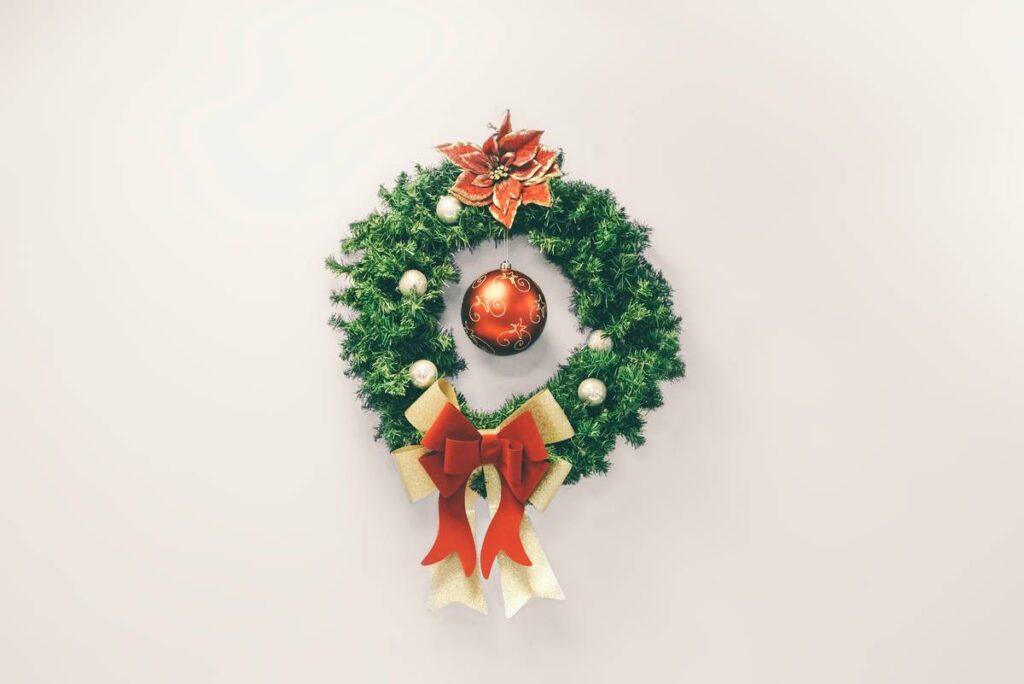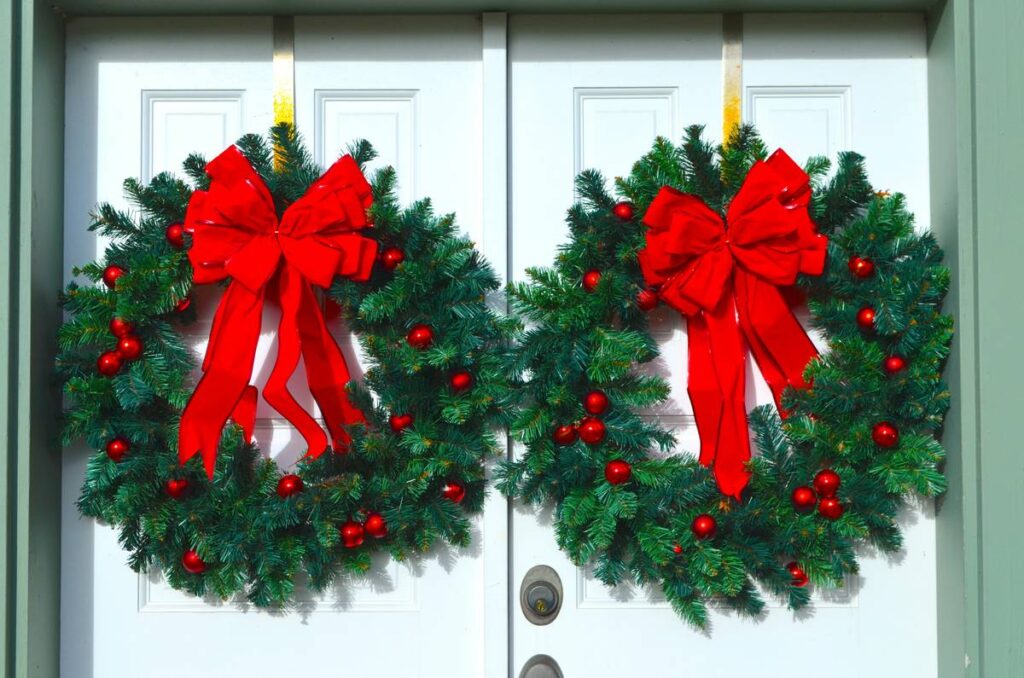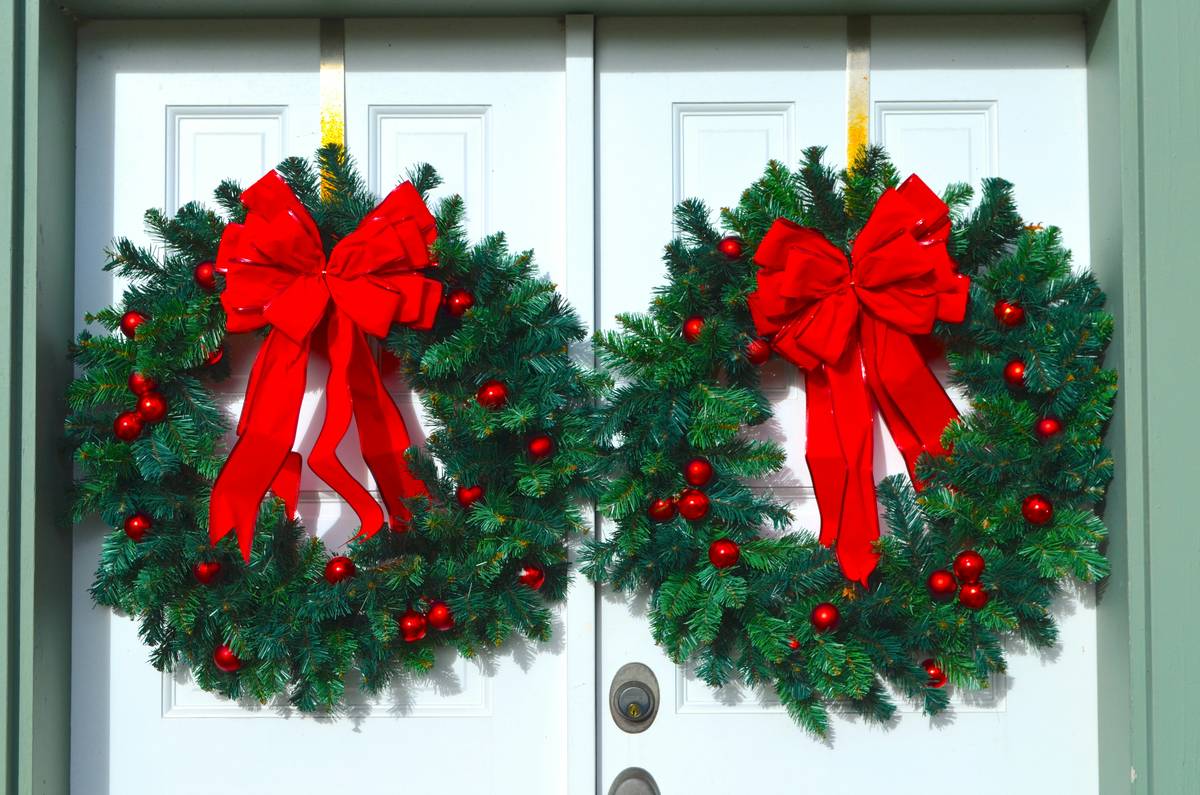
Most DIYers grab a wire frame, slap on some fake berries, and call it a wreath. It ends up looking store-bought—or worse, sad. The real issue? They’re using the wrong decorations for wreath making. Not cheap plastic fillers. Not mismatched textures. And definitely not whatever’s leftover from last Christmas. The fix isn’t more supplies—it’s smarter ones.
Why your wreaths keep falling flat (and how to fix it)
You followed every Pinterest tutorial. You spent hours twisting grapevine branches. Still, your wreath lacks presence. Why? Because 90% of crafters treat wreaths like afterthoughts—not focal points. They overload with identical elements, killing depth. Or they skip anchoring layers, so everything sags by day two.
Worse—most “tutorials” push mass-produced ornaments that lack dimension. Real wreath artistry starts with texture contrast, structural integrity, and intentional negative space. Not just slapping on more stuff.
Step-by-step guide to building a pro-level wreath
Forget glue guns and hope. Build wreaths that command attention—with half the clutter.
Select your base like a sculptor
Wire frames? Only if you’re going ultra-modern. For timeless appeal, start with a natural base: grapevine, moss-covered foam, or even a bent willow branch. These hold weight better and absorb moisture—critical if you mix in fresh elements.
Layer with purpose—not panic
Add greenery first. Then texture. Then focal accents. Never reverse that order. Pine sprigs go under eucalyptus. Burlap ribbons wrap *around* structure—not glued on top like stickers.
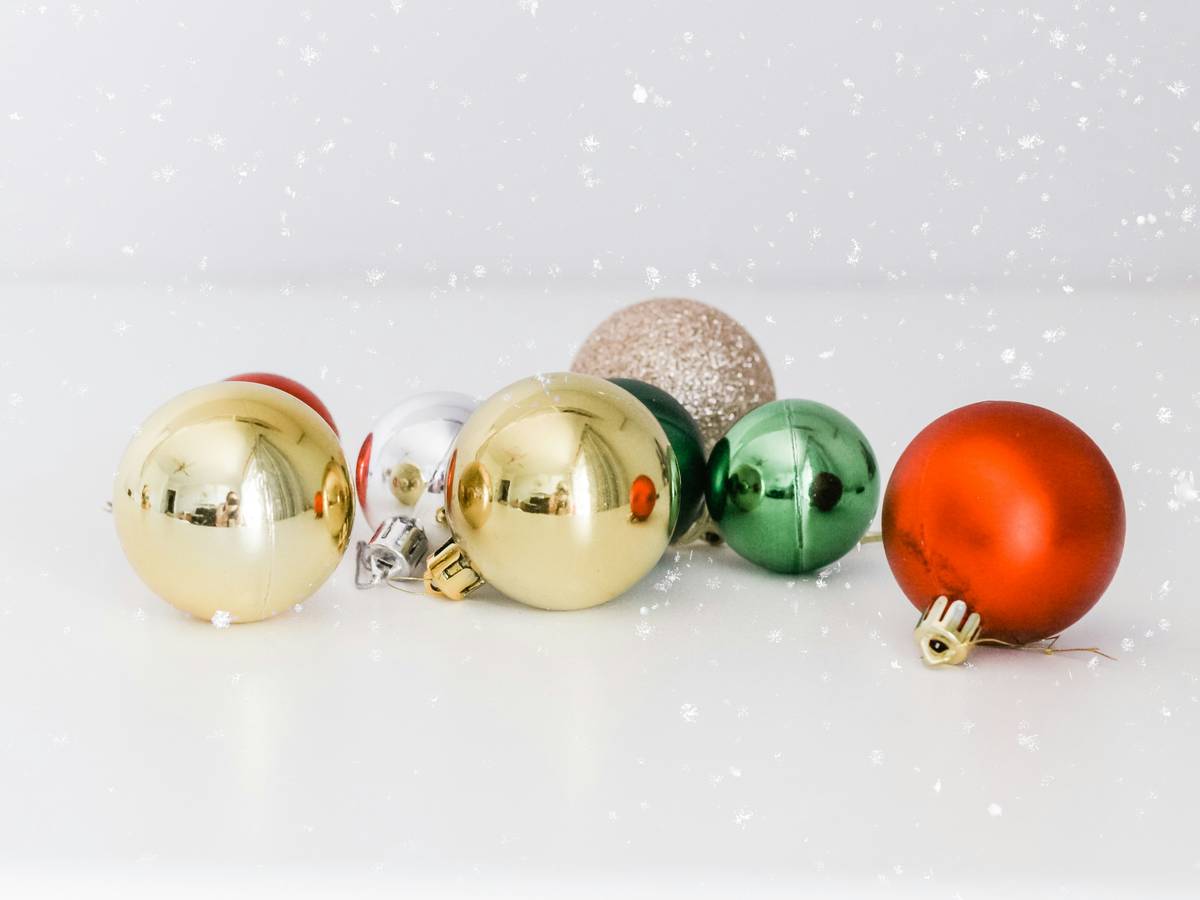
Pick decorations for wreath making that earn their spot
Every element must serve one of three roles: add texture, create contrast, or anchor the eye. If it doesn’t do at least one? Leave it out.
| Material Type | Cost Range | Longevity | Best Used For |
|---|---|---|---|
| Dried citrus slices | $3–$8 | 6–12 months | Warm-toned rustic wreaths; adds organic contrast |
| Faux velvet berries | $5–$12 | 3+ years | Deep winter palettes; tactile pop against matte greens |
| Hand-dyed linen bows | $7–$15 | 2+ years (if stored flat) | Neutral or farmhouse styles; avoids synthetic sheen |
| Mini brass charms | $4–$10 | Indefinite | Modern or heirloom wreaths; subtle metallic grounding |
The industry secret: “invisible” wiring is everything
Here’s what no craft blog admits: the difference between amateur and artisan wreaths isn’t the ornaments—it’s how they’re held. Pros don’t rely on hot glue. They use 22-gauge paddle wire, tucked into stems and looped through frame gaps. It disappears. Holds for seasons. And lets you reposition elements without tearing apart your base.
And forget symmetry. The human eye gravitates toward *structured asymmetry*—a cluster of dried lavender here, a single oversized pinecone there, with breathing room around both. Clutter reads as desperation. Space reads as confidence.
Frequently Asked Questions
What are the best non-traditional decorations for wreath making?
Think beyond red bows. Try bleached oak leaves, hand-stamped leather tags, or vintage skeleton keys. Unconventional items create conversation-starting focal points—especially when anchored with neutral greenery.
Can I use fresh flowers in wreaths?
Yes—but only if wired properly and used sparingly. Fresh blooms last 3–5 days outdoors. For longevity, air-dry them first or swap in high-quality silk duplicates that mimic delicate petals.
How much should I realistically spend on materials?
A standout wreath costs $15–$35 if you source thoughtfully. Hit farm stands for greenery, thrift stores for vintage accents, and buy bulk wire online. Avoid pre-packaged “wreath kits”—they’re overpriced filler.